Understanding Sleep Apnea and Its Impact
Sleep apnea is characterized by repeated interruptions in breathing during sleep. These pauses can last from a few seconds to minutes and may occur 30 or more times per hour.
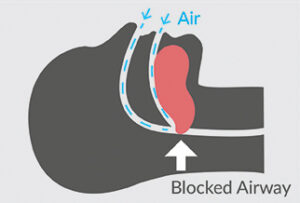
The most common type is obstructive sleep apnea (OSA), which occurs when the muscles in the back of the throat relax, blocking the airway.
Sleep apnea symptoms include loud snoring, gasping for air during sleep, and waking up with a dry mouth. Many people with sleep apnea also experience daytime sleepiness, difficulty concentrating, and irritability.
If left untreated, sleep apnea can lead to serious health complications, such as:
- High blood pressure
- Heart problems
- Type 2 diabetes
- Metabolic syndrome
- Liver problems
Understanding the impact of sleep apnea is the first step toward seeking treatment. A sleep apnea dentist , can provide effective solutions to manage this condition.
The Role of a Sleep Apnea Dentist
A sleep apnea dentist specializes in oral appliance therapy for sleep apnea. They design custom-fit mouth guards that help keep the airway open during sleep.
These dental professionals work closely with sleep physicians, ensuring a comprehensive approach to diagnosing and treating sleep apnea.
Sleep apnea dentists also play a crucial role in patient education. They help patients understand the importance of adhering to treatment and maintaining their oral appliances.
Choosing a qualified sleep apnea dentist , like our dentists at Johnson Family Dental, can make a significant difference in managing your sleep apnea. They provide personalized care tailored to your specific needs and condition.
Oral Appliance Therapy: A Closer Look
Oral appliance therapy is a common treatment for sleep apnea. It involves wearing a mouth guard-like device during sleep that helps maintain an open, unobstructed airway.
Two main types of oral appliances are available: mandibular advancement devices (MADs) and tongue-retaining mouthpieces.
MADs look much like sports mouth guards. They reposition your lower jaw forward and down slightly to keep your airway open. Tongue-retaining mouthpieces hold your tongue in place.
Benefits of oral appliance therapy include:
- Comfort and ease of use
- Quiet operation compared to CPAP machines
- Portability, making them ideal for travel
- Non-invasive treatment option
However, it’s crucial to get these appliances custom-made by a qualified sleep apnea dentist near you. Over-the-counter options may not fit properly and could lead to complications.
Finding the Right Sleep Apnea Dentist
Finding the right sleep apnea dentist near you is crucial for effective treatment. You want a professional who is experienced in treating sleep apnea with dental appliances. They should also be able to provide a custom-fit mouth guard for optimal comfort and effectiveness.
Look for a dentist who is accredited by the American Academy of Dental Sleep Medicine (AADSM). This accreditation ensures they have the necessary training and expertise in dental sleep medicine.
Remember, your comfort and trust in your dentist are paramount. Don’t hesitate to ask questions and express any concerns during your initial consultation.
At Johnson Family Dental, our dentists are well-trained in sleep apnea treatment and have all the required certifications to treat your symptoms.
The Benefits of Choosing a Local Sleep Apnea Dentist
Choosing your local Johnson Family Dental office as your dentist for sleep apnea offers several benefits.
First, it provides convenience. Regular visits may be necessary for adjustments, follow-ups, and maintenance of your oral appliance.
Second, our local dentists can provide timely assistance in case of emergencies or issues with your mouth guard. This immediate access to care can be crucial for maintaining effective treatment.
Last, Johnson Family Dental’s sleep apnea dentists near you are more likely to have relationships with local sleep physicians. This collaboration can lead to a more comprehensive and coordinated approach to your sleep apnea treatment.
Custom-Fit vs. Over-the-Counter Sleep Apnea Mouth Guards
When it comes to sleep apnea mouth guards , you have two main options: custom-fit and over-the-counter. Custom-fit mouth guards are designed and made by a sleep apnea dentist specifically for your mouth. They offer a precise fit, which can enhance comfort and effectiveness.
On the other hand, over-the-counter mouth guards are less expensive, but they may not fit as well and can be less effective. They may also cause discomfort or even oral health issues if not used correctly.
Some key differences to consider between custom-fit and over-the-counter sleep apnea mouth guards include:
Custom-Fit Mouth Guards
- Made to fit your mouth precisely
- More comfortable
- More effective
- Requires a prescription
- Higher cost
Over-the-Counter Mouth Guards
- One-size-fits-all or boil-and-bite fit
- May be less comfortable
- Effectiveness varies
- No prescription needed
- Lower cost
In the end, the choice between custom-fit and over-the-counter mouth guards should be made in consultation with a sleep apnea dentist. They can guide you to the best solution based on your specific needs and circumstances.
Preparing for Your Visit to a Sleep Apnea Dentist Near You
Before you visit a sleep apnea dentist , it’s important to gather some information, such as your medical history, any symptoms you’ve been experiencing, and any previous treatments you’ve tried. This will help the dentist understand your situation and provide the best possible care.
You may also want to prepare a list of questions. This could include questions about the dentist’s experience with sleep apnea, the types of treatments they offer, and what you can expect during and after treatment.
Remember, the goal of your visit is to find a solution that will help you sleep better. So, don’t hesitate to ask anything to help you make an informed decision.
Maintenance and Care for Your Sleep Apnea Mouth Guard
Maintaining your sleep apnea mouth guard is crucial for its longevity and effectiveness. Regular cleaning prevents the buildup of bacteria and ensures the device functions properly.
Some simple steps for mouth guard care include:
- Rinse the mouth guard after each use.
- Clean it with a soft toothbrush and non-abrasive toothpaste.
- Dry it thoroughly before storing it to prevent bacterial growth.
- Regularly inspect it for wear and tear.
- Schedule regular check-ups with your dentist to ensure the device still fits correctly.
Embracing a Restful Sleep with the Right Help From Johnson Family Dental
Sleep apnea can significantly impact your quality of life. However, with the right help from a qualified sleep apnea dentist , you can manage your condition effectively.
Remember, the journey to restful sleep begins with understanding your condition and exploring the right treatment options. Schedule your consultation today with a sleep apnea dentist near you at Johnson Family Dental.